E2E EMPOWERMENT PATHWAY
A Long-Term Development Pathway for Children and Young People (Ages 10–25)
The E2E (End-to-End) Empowerment Pathway is the core of One F Foundation’s work.
It is a structured, long-term system designed to support children and young people from late childhood through early adulthood — building identity, capability, and direction over time.
This pathway exists because short-term interventions are not enough to change life trajectory.
Transformation requires early support, consistency, family engagement, and clear pathways into adulthood.
Who the Program Serves
The E2E Empowerment Pathway serves:
- Children and young people ages 10–25
- From underserved communities
- Especially those experiencing:
- economic pressure to contribute to household income
- unstable household environments
- interrupted learning or low academic confidence
- limited access to skills, exposure, and opportunity
Participants are not selected based on “potential alone,” but on need, willingness to engage, and capacity to grow with support.
Why We Begin Early
By age 10, many children in underserved communities have already internalized:
- low expectations,
- early responsibility,
- survival-focused thinking,
- and limited belief in future possibilities.
If identity, confidence, and discipline are not shaped early, later academic or vocational interventions become corrective instead of developmental.
The E2E Pathway intervenes before identity collapses, not after failure has already set in.
Eligibility Requirements
Eligibility varies by age and stage of the pathway, but core requirements include:
- Age within the program range (10–25, depending on phase)
- Residence in an underserved community
- Willingness to commit to consistent participation
- For younger children:
- family consent
- basic family engagement and cooperation
Priority consideration is given to:
- children under economic pressure to support their households
- orphans or vulnerable children
- children with irregular school attendance
households experiencing financial or social instability
How the Program Works: The End-to-End Pathway
The E2E Empowerment Pathway is structured across three connected stages, each designed to meet children and young people where they are developmentally.
Stage 1: Foundation & Discovery (Ages 10–14)
This is the most critical stage of the pathway.
Focus areas include:
- identity formation and self-worth
- confidence, discipline, and positive behavior
- literacy and numeracy reinforcement
- exposure to skills and interests
- hands-on mastery experiences
- family engagement and stabilization
Children are not rushed toward outcomes.
They are stabilized, strengthened, and supported to discover who they are.
Outcome of Stage 1:
A child who believes effort matters, shows improved learning habits, demonstrates confidence and discipline, and begins to identify personal interests.
Stage 2: Growth & Direction (Ages 15–18)
As children mature, the pathway shifts from exposure to intentional direction-setting.
Young people are guided into one of three pathways:
University / Professional Pathway
- academic reinforcement
- exam preparation support
- career exposure and guidance
Vocational / Technical Pathway
- apprenticeships and hands-on training
- skill development and certification pathways
- work discipline and responsibility
Enterprise / Micro-Business Pathway
- business fundamentals
- market exposure
- small-scale enterprise experimentation
Outcome of Stage 2:
A young person with direction, developing skills aligned to a realistic future, and preparation for adulthood.
Stage 3: Launch & Leadership (Ages 18–25)
This stage supports the transition into independent adulthood.
Focus areas include:
- internships, jobs, or enterprise support
- continued vocational or professional development
- mentorship and leadership formation
- community responsibility and service
Outcome of Stage 3:
A confident, capable young adult who is economically active, self-directed, and prepared to contribute to family and community.

Program Structure & Weekly Experience
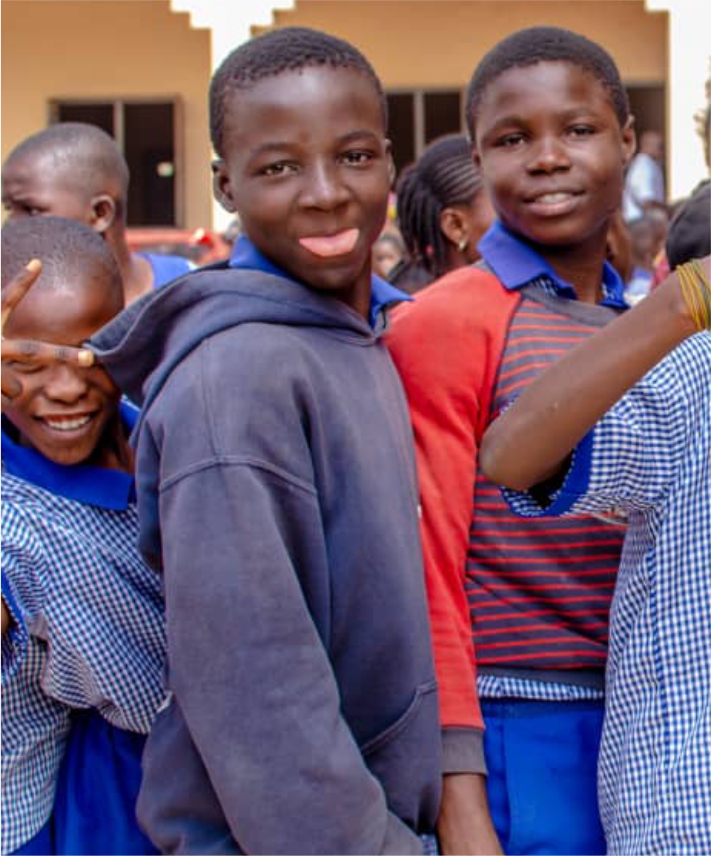
For children in the foundational stage (ages 10–14), the program runs on a consistent, realistic weekly structure designed to fit family and community realities.
Weekly Session Structure (Approx. 2 Hours):
- Identity, values, and confidence development
- Literacy, numeracy, and practical learning
- Hands-on activities and guided practice
- Shared meal and rest
Sessions are intentionally kept concise to support consistency, reduce fatigue, and respect household responsibilities.
Hands-On Mastery
Hands-on mastery is not extracurricular — it is core to the pathway. Children build confidence through doing, not listening.

Why Hands-On Matters
Hands-on mastery develops:
- Discipline
- Focus
- Self-belief
- Teamwork

Pilot Mastery Areas Include:
- Sports
- Arts and creativity
- Music
- Cooking and practical life skills

What a Mastery Block Looks Like:
- Short demonstration
- Guided practice
- Reflection (“What did you learn about yourself?”)
These experiences help children discover strengths they may never encounter in traditional classrooms.
Family Support & Engagement
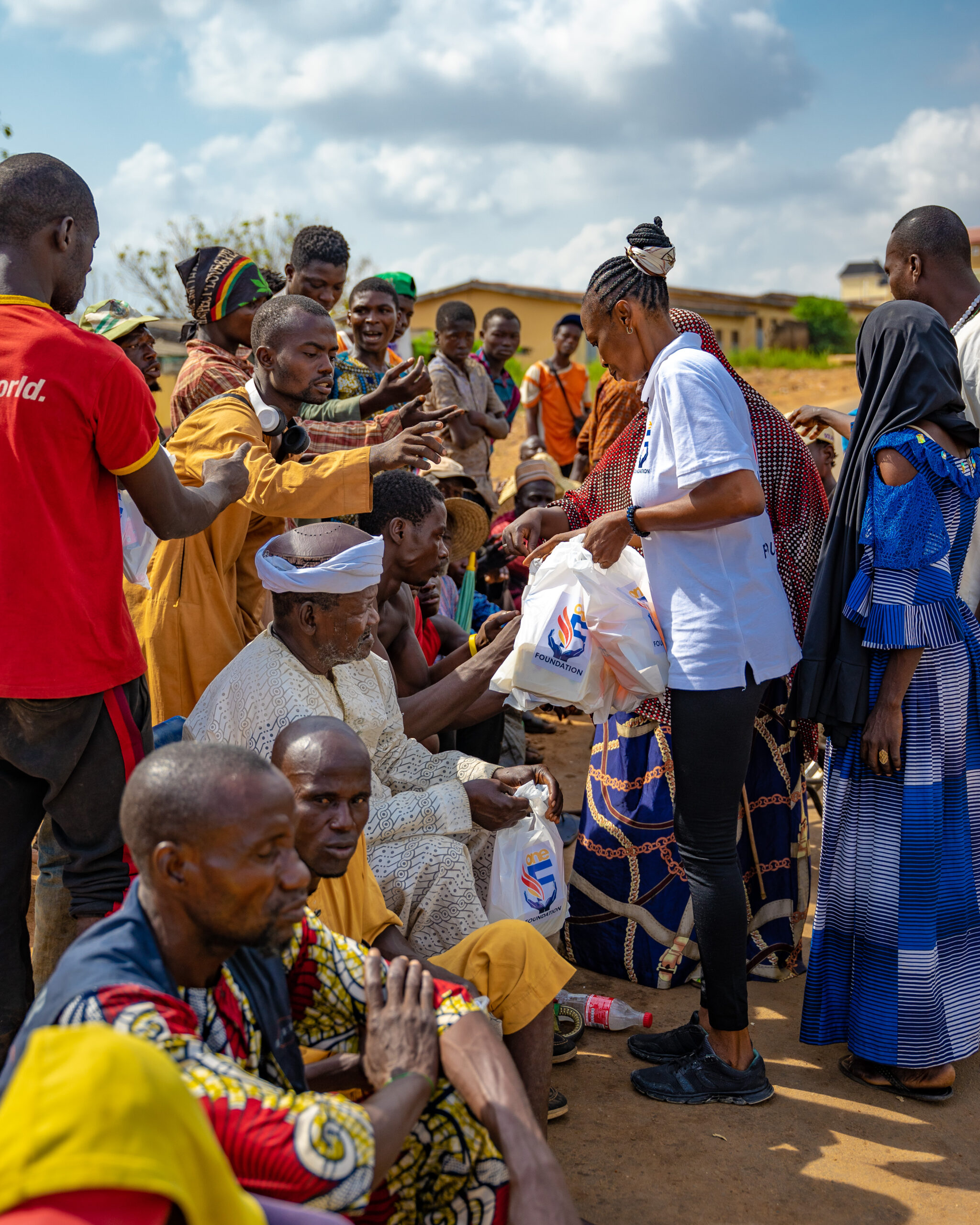
The pathway recognizes that children do not grow in isolation.
Family engagement is built into the program to:
- reduce economic and household pressure,
- support consistent participation,
- and strengthen the child’s environment outside sessions.
Family cooperation is essential to long-term success.
Family Support & Incentive Framework
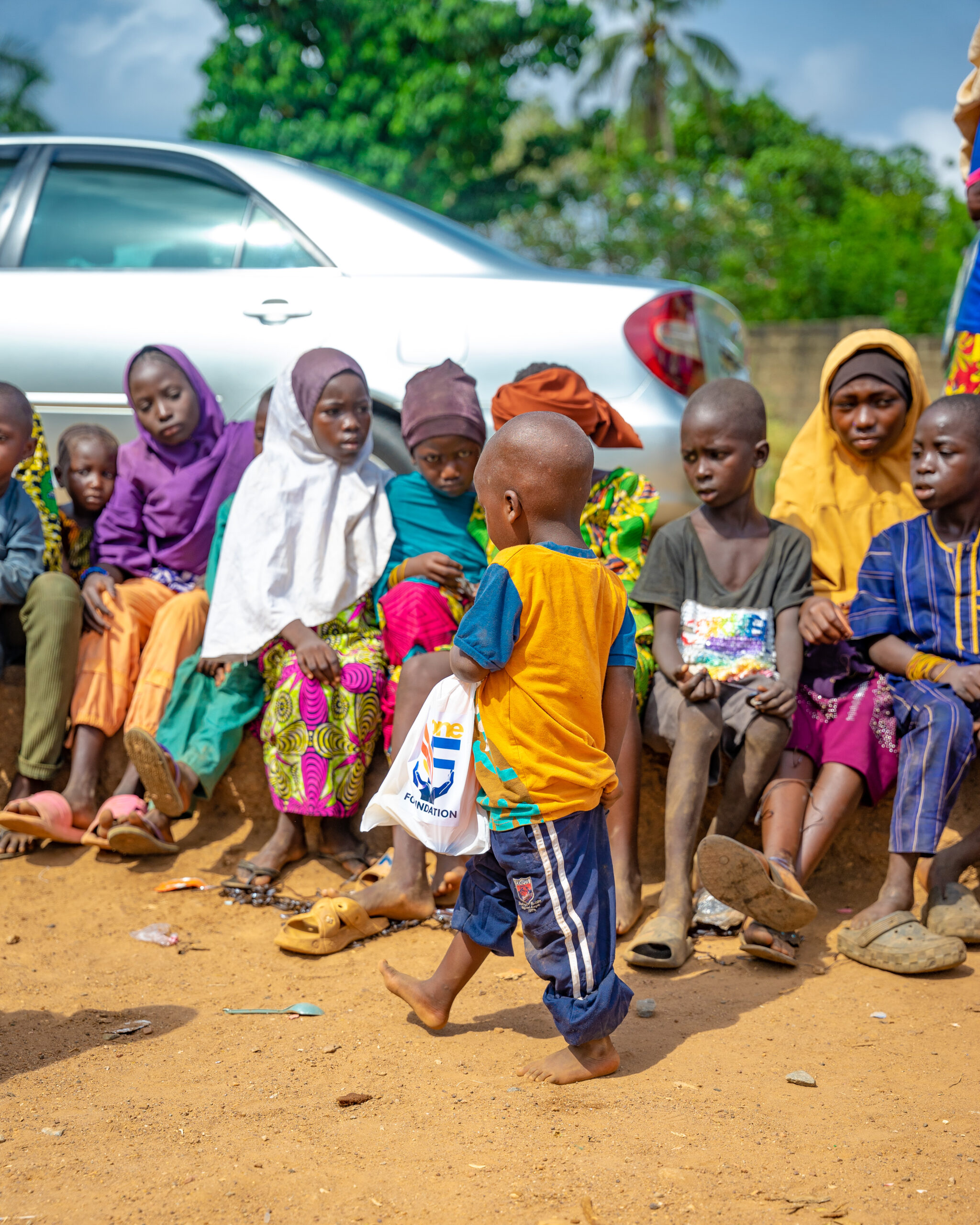
Consistent participation is not possible if families experience economic loss by allowing their child to attend the program.
For this reason, the E2E Empowerment Pathway includes a structured family support and incentive framework.
This framework is designed to remove household pressure, protect dignity, and build partnership with parents — not to pay children for attendance.
Incentives are support, not salary.

Family Support (Non-Cash)
Family support removes practical barriers that often prevent attendance:
- Nutritious meals provided during program sessions
- School supplies provided periodically
- Hygiene items provided as needed
- Learning materials included in all sessions
These supports reduce household burden while reinforcing the seriousness and consistency of the program.
Incentive Structure (Cash Support)
Cash support is structured, limited, and predictable.
It is always tied to attendance, effort, and improvement — never to poverty alone.
Tier 1: Attendance Support
- Monthly household support tied to consistent participation
- Provided to the parent or caregiver, not the child
- Designed to offset income a child might otherwise earn through hawking or informal work
Purpose:
- Make participation economically neutral for families
- Encourage consistency
- Prevent dropout due to household pressure
Tier 2: Performance-Based Support
- Provided periodically based on:
- learning improvement
- discipline and behavior
- attendance consistency
- completion of learning or mastery projects
Purpose:
- Reward effort and growth
- Reinforce responsibility and discipline
- Build motivation without entitlement
Tier 3: Family Micro-Grants
- Select families may receive small, structured grants based on:
- Engagement
- Consistency
- Effort
- Household need
These grants are intended to support:
- petty trade or small income activities
- food stability
- essential household needs
This tier strengthens trust and partnership between the program and families.
Safeguards & Principles
To protect dignity and sustainability:
- Cash is never distributed weekly
- All support is tied to participation or effort
- Clear communication is maintained with parents
- Support is framed as family partnership, not payment
Child Responsibility (Non-Financial)
Children are expected to contribute through:
- consistent attendance
- participation in learning activities
- improved behavior at home and in sessions
- age-appropriate responsibility and effort
This reinforces accountability and prevents dependency.
What Participants Gain
Through the E2E Empowerment Pathway, participants gain:
- stronger identity and confidence
- improved learning habits and discipline
- exposure to skills and career pathways
- guidance during critical life transitions
- long-term support rather than one-off intervention
The pathway does not promise instant success.
It builds capacity, direction, and resilience over time.
Core Belief (Use Verbatim)
The E2E Empowerment Pathway is designed to walk with children over time — shaping identity early, guiding direction intentionally, and supporting young people into adulthood with structure, dignity, and purpose.